The House Record

It started with a questionabout why people choose.

What follows is not an introduction to a company. It is the record of how a practice arrived at its position — and the standard it now refuses to move off.

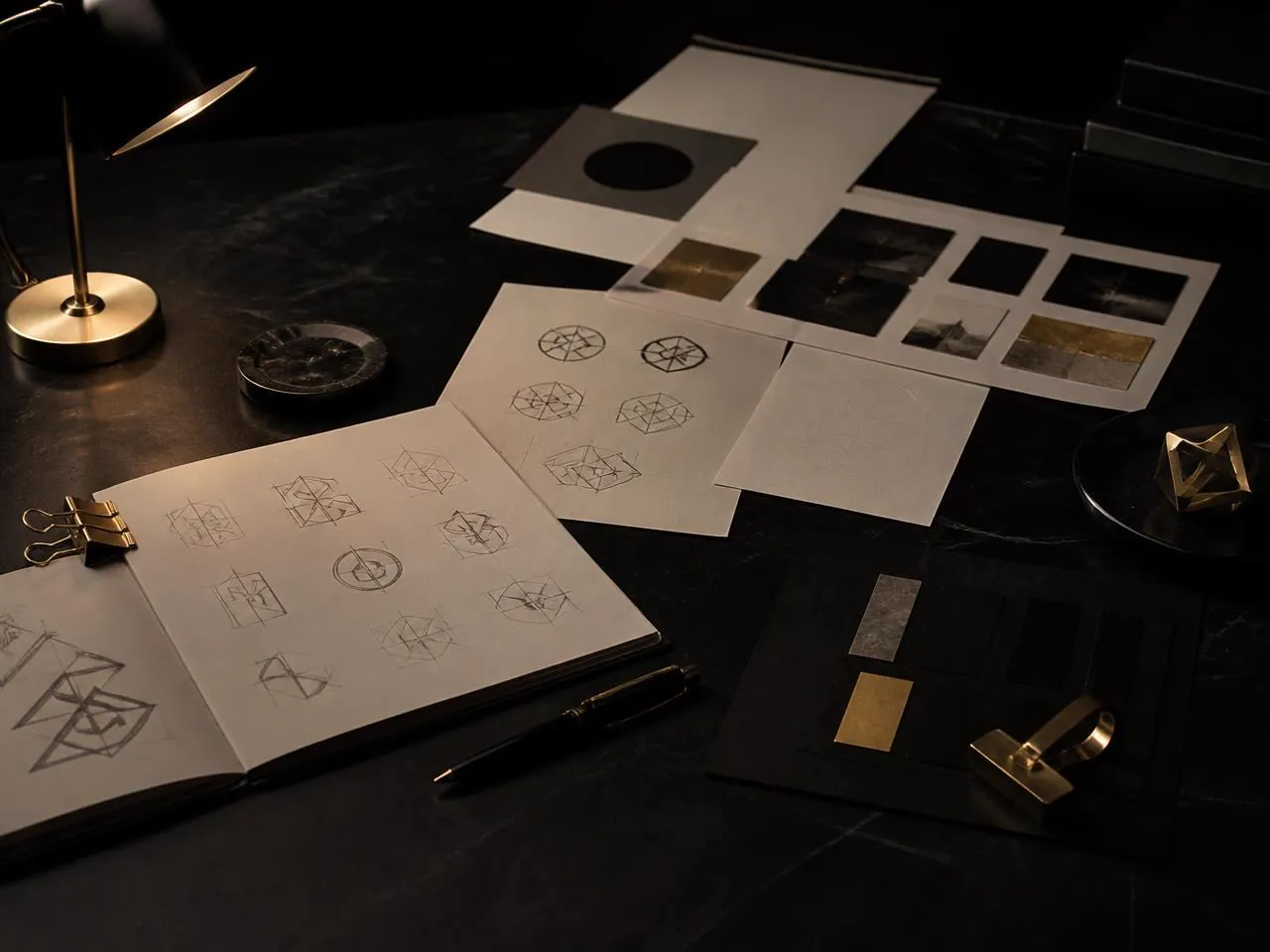
Strategy documents and notes on a dark surface
Chapter I2022

A question, not a business plan

The house began with an observation that would not go away: the better businesses were rarely the ones being chosen. Competence was everywhere. Clarity was not.

So the first work was not design work. It was interrogation — why should anyone choose this, and can that reason survive contact with a market that is not paying attention?


Editorial layouts and published pages
Chapter II2023

Presence was not the finish line

Brands that looked correct still went unremembered. A website closed the aesthetic gap and left the credibility gap wide open.

The conclusion reordered the practice: visibility earns attention, but only published judgement earns trust. What a business says in public, repeatedly, becomes what the market believes about it.

Books, reports and digital artefacts arranged as a body of work
Chapter IIIToday

Three houses, one standard

AIMM Digital builds the presence. AIMM Press builds the reputation. AIMM Publishers turns knowledge into owned intellectual property.

They are separate disciplines held to one editorial standard, because a brand fractures the moment its channels stop arguing the same thing.

The Standard

Four positions the house works from.

01

A brand is an argument

Not a logo, not a palette. It is the reason a decision goes one way instead of the other — and it has to be defensible before it is decorated.

02

Restraint is the luxury

Anything that is not carrying meaning is removed. What remains has to do more work, which is precisely how quiet things end up sounding certain.

03

Authority compounds

Campaigns end. Published work keeps returning — cited, forwarded, remembered long after the budget cycle it came from.

04

Nothing here is a template

Each engagement rebuilds the argument from the business itself. Familiar outputs, never a repeated position.

The journey continues in the work — not in the description of it.